
Insomnia Treatment Center in Scottsdale, AZ
A sleep disorder characterized by difficulty falling asleep, staying asleep, poor quality / quantity of sleep.
What is Insomnia?
Insomnia is a sleep disorder characterized by difficulty falling asleep, staying asleep, or experiencing restorative sleep despite having the opportunity to do so. Individuals with insomnia often report dissatisfaction with the quantity or quality of their sleep, which can lead to various daytime impairments. At Arizona Center for Neurofeedback, we are an insomnia treatment center in Scottsdale, AZ.
Insomnia can be classified based on its duration:
Acute Insomnia: Lasts for a short duration, often related to a specific event or stressor.
Chronic Insomnia: Persists for at least three nights a week for three months or longer and may not be directly linked to a specific cause.
Signs and Symptoms
Difficulty Falling Asleep: Individuals with insomnia may have trouble initiating sleep, lying awake in bed for an extended period before falling asleep.
Difficulty Staying Asleep: Some people with insomnia awaken during the night and have difficulty returning to sleep.
Early Morning Awakening: Individuals may wake up earlier than desired and find it challenging to go back to sleep.
Non-Restorative Sleep: Even if individuals with insomnia spend enough time in bed, they may not feel refreshed upon waking.
Daytime Impairments: Insomnia can lead to various daytime symptoms, including fatigue, irritability, difficulty concentrating, and impaired performance at work or school.
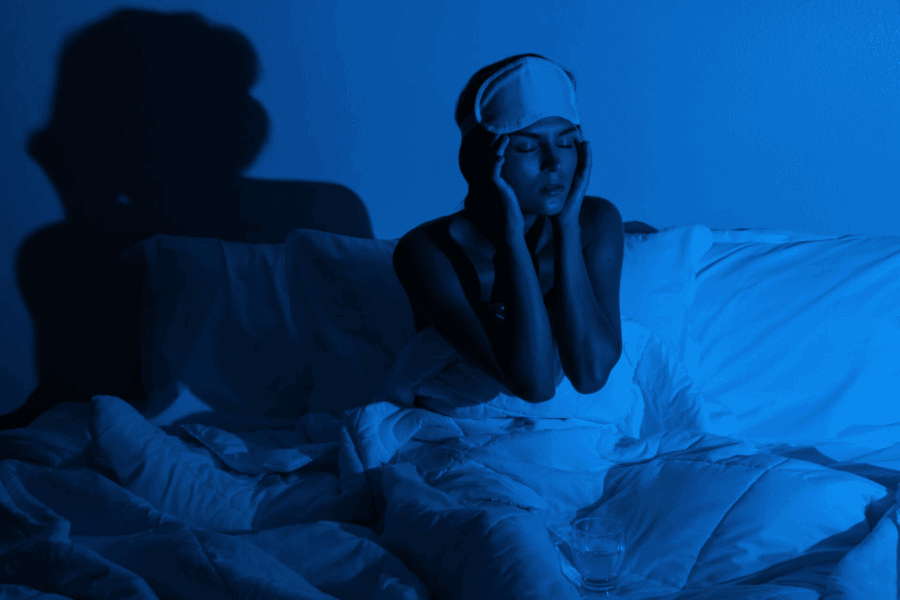
What is the Cause of Insomnia?
Causes and risk factors for insomnia include:
Stress and Anxiety: Excessive worrying or stress can contribute to insomnia.
Depression: Depression is often associated with changes in sleep patterns, including insomnia.
Medical Conditions: Chronic pain, asthma, and other medical conditions can interfere with sleep.
Medications: Some medications may disrupt sleep patterns as a side effect.
Poor Sleep Hygiene: Unhealthy sleep habits, such as irregular sleep schedules or excessive use of electronic devices before bedtime, can contribute to insomnia.

Dr. Petta’s Insomnia Treatment Approach is:
Dr. Petta specializes in data-driven, brain-based assessment and treatment, using QEEG brain mapping to identify the root causes of cognitive, emotional, and performance challenges—rather than simply managing symptoms.
Her work bridges clinical psychology and applied neuroscience, allowing treatment plans to be personalized, measurable, and outcome-focused.
Our Client Reviews
Why seek an insomnia treatment center in Scottsdale, AZ?
If insomnia goes untreated, it can lead to a range of physical, mental, and emotional consequences that significantly impact an individual’s overall well-being.
Chronic Fatigue
Persistent lack of restorative sleep can result in chronic fatigue, affecting energy levels throughout the day. This can impair daily functioning and reduce productivity.
Impaired Cognitive Function
Insomnia can negatively impact cognitive functions such as memory, concentration, and problem-solving. Individuals may experience difficulties with learning and memory retention.
Mood Disorders
Untreated insomnia is associated with an increased risk of developing mood disorders, including depression and anxiety. Sleep disturbances can exacerbate existing mental health conditions or contribute to their onset.
Weakened Immune System
Chronic sleep deprivation can compromise the immune system, making individuals more susceptible to illnesses and infections. A weakened immune system may lead to increased vulnerability to various health issues.
Increased Risk of Chronic Conditions
Prolonged insomnia is linked to an increased risk of developing chronic health conditions such as cardiovascular diseases, diabetes, and obesity. Poor sleep is associated with disturbances in hormonal regulation and metabolism.
Worsening of Pre-existing Conditions
Insomnia can exacerbate pre-existing medical conditions, making their management more challenging. Conditions such as chronic pain or respiratory disorders may become more difficult to control without adequate sleep.
Read More on Insomnia