Natural ADHD Treatment in Scottsdale, AZ
Get help with inattention, hyperactivity, and impulsivity that interferes with daily life.
Tired of ADHD Medication?
ADHD is not just a behavioral issue, it reflects how the brain regulates attention, impulse control, and executive function. While medication can temporarily reduce symptoms, it does not teach the brain how to function differently and often comes with side effects or long-term dependence. Many children and adults reach a point where they want a more sustainable, brain-based solution rather than ongoing symptom management.
Searching for a natural ADHD treatment in Scottsdale, AZ? First, it is essential to understand what ADHD is. ADHD stands for Attention-Deficit/Hyperactivity Disorder. It is a neurodevelopmental disorder that affects both children and adults, though symptoms often appear in childhood and can continue into adolescence and adulthood.
There are three main types of ADHD:
- Predominantly Inattentive Presentation: Individuals with this type of ADHD have difficulty sustaining attention, are easily distracted, and may struggle with organization and completing tasks.
- Predominantly Hyperactive-Impulsive Presentation: This type is characterized by hyperactivity and impulsive behavior without significant inattention. People with this type may fidget, have difficulty staying seated, talk excessively, and act without thinking.
- Combined Presentation: This type involves a combination of both inattentive and hyperactive-impulsive symptoms.
How Neurofeedback Helps ADHD
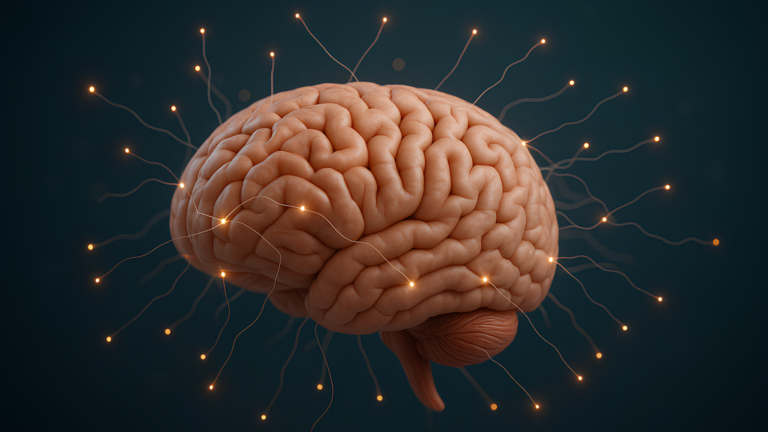
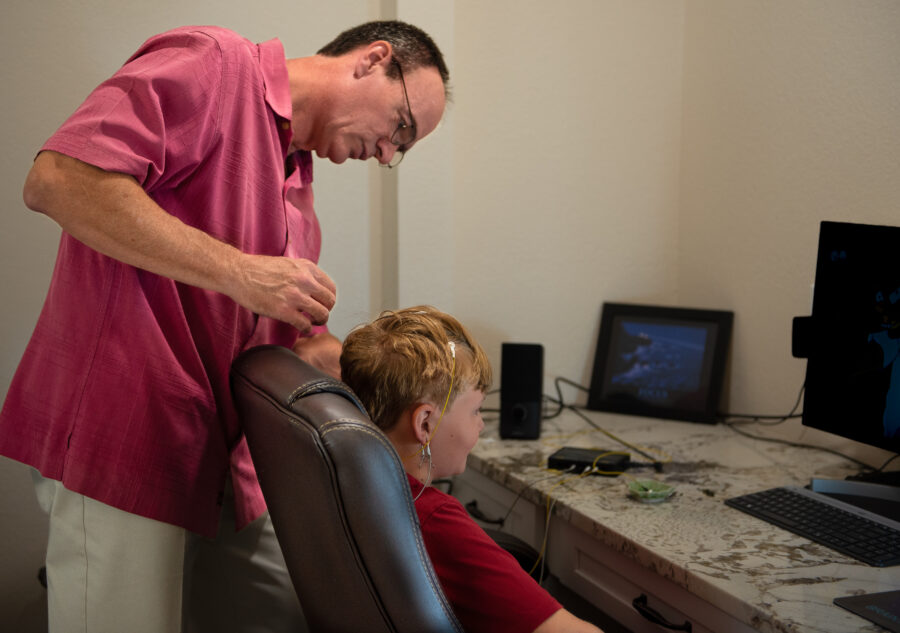
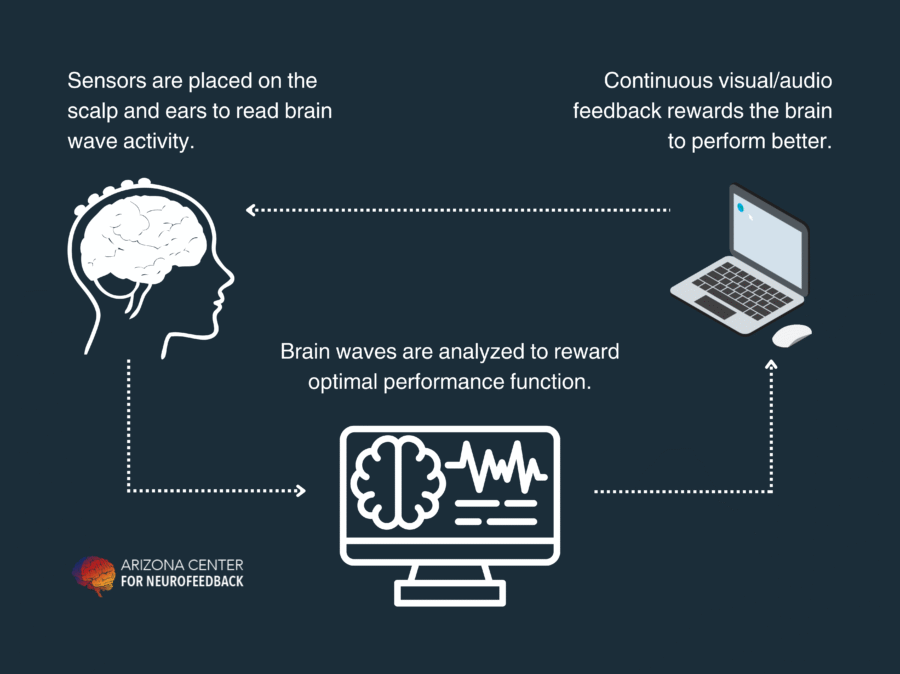
Neurofeedback trains the brain to self-regulate by using real-time EEG feedback to correct inefficient brainwave patterns associated with ADHD. As the brain becomes more stable and efficient, clients often experience improved focus, emotional regulation, sleep, and mental clarity. With these neurological changes—and in coordination with a prescribing physician—many individuals are able to reduce or discontinue ADHD medication. Neurofeedback focuses on building lasting brain skills, not masking symptoms, creating a foundation for long-term improvement without reliance on medication.
How can Biofeedback
come into play?
Biofeedback supports ADHD treatment by strengthening the body–brain connection that directly influences attention, emotional regulation, and stress response.
Using real-time feedback from the nervous system, such as heart rate variability (HRV), breathing patterns, and muscle tension, clients learn how to consciously regulate their physiology. This improves calm focus, impulse control, and resilience under stress, areas that are often dysregulated in ADHD.
Dr. Petta’s Approach is:
Dr. Petta specializes in data-driven, brain-based assessment and treatment, using QEEG brain mapping to identify the root causes of cognitive, emotional, and performance challenges—rather than simply managing symptoms.
Her work bridges clinical psychology and applied neuroscience, allowing treatment plans to be personalized, measurable, and outcome-focused.

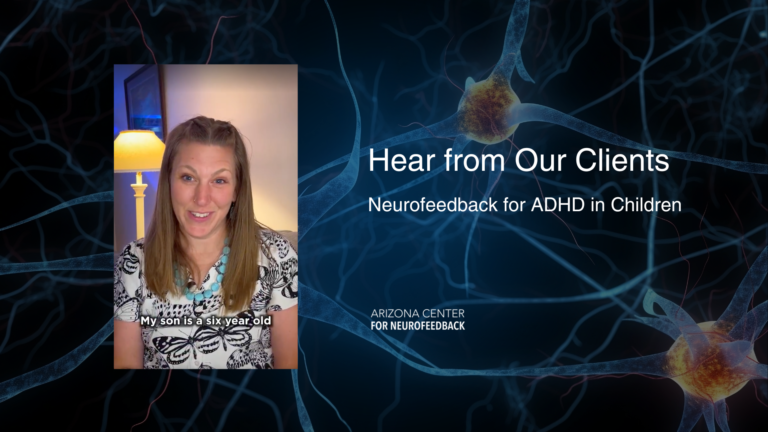
Hear from Our Clients


Frequently Asked ADHD Questions
Recent on the Blog