
Concussion Myths vs. Facts for Student Athletes
Concussions are one of the most misunderstood injuries in youth sports. Every year, thousands of student athletes across the country experience head injuries, yet myths and misconceptions still cloud what actually happens when the brain is injured. Understanding the truth about concussions isn’t just important, it can protect your athlete’s future.
Myth #1: You Have to Be “Knocked Out” to Have a Concussion
Fact: Losing consciousness only happens in about 10% of concussions. This means that most concussions occur without anyone seeing an athlete get knocked out. Symptoms can be more subtle like headache, dizziness, fogginess, or trouble concentrating, which are all common signs.
This myth is especially dangerous because athletes and even parents and coaches may think it’s “safe” to continue playing if the athlete never passes out. In reality, concussions are about how the brain functions, not whether someone was unconscious.
Myth #2: If Symptoms Don’t Appear Immediately, It Can’t Be a Concussion
Fact: Concussion symptoms can show up hours or even a day later. Some student athletes feel fine at first, only to develop headaches or sensitivity to light the next morning. That’s why monitoring symptoms after any significant hit, even if there’s no immediate sign of trouble, is still so important.
Myth #3: Only Direct Hits to the Head Cause Concussions
Fact: A concussion can result from any rapid acceleration or deceleration of the brain inside the skull, even if the head wasn’t struck directly. A forceful hit to the body, a fall, or a collision that jerks the head can all cause concussions.
This is critical to understand for student athletes in sports like soccer, basketball, or even volleyball, where head contact isn’t constant but sudden jolts still happen.
Myth #4: Sleeping After a Concussion Is Dangerous
Fact: Rest, including sleep, is actually an important part of recovery. The outdated advice to wake someone every few hours came from concern about more serious brain injuries, not concussions. As long as a healthcare provider has ruled out more severe injury, sleep helps the brain heal.
That said, concussion symptoms should always be evaluated by a trained professional who can determine what kind of rest and care the athlete needs.
Myth #5: You Can Return to Play as Soon as You Feel Better
Fact: Concussions affect each person differently. Relying on “feeling fine” is risky and often leads to returning too soon, increasing the chance for prolonged symptoms or serious complications like second-impact syndrome.
The person who sustained the injury is often the least reliable person to make this call, after all, it’s called a “head injury” for a reason! Safe return-to-play protocols require evaluation by clinicians trained in concussion management and should never be rushed or determined solely by the person who sustained the head injury.
Why These Facts Matter for Student Athletes
Adolescents are particularly vulnerable to the effects of concussion because their brains are still developing, and improper recognition or management of head injuries can lead to longer recovery times or worse outcomes.
That’s why education for athletes, parents, and coaches is just as important as treatment.
How We Can Help: AZ Center for Neurofeedback & TBI Support
At Arizona Center for Neurofeedback, we understand that concussion is a form of mild traumatic brain injury (TBI) and that recovery often goes beyond simply resting. Our team specializes in helping athletes and individuals with brain-based challenges through evidence-informed approaches like Neurofeedback and Biofeedback therapy.
Neurofeedback is a non-invasive way to support the brain’s ability to self-regulate and recover from the subtle disruptions caused by concussions and other TBIs. Our work isn’t just about managing symptoms, it’s about helping the brain regain optimal function, resilience, and cognitive control so athletes can get back safely to the activities they love.
Whether your student athlete is dealing with persistent post-concussion symptoms or you want expert guidance on accurate assessment, safe recovery and return-to-play planning, we’re here to help.
Learn more about how our Center supports concussion and TBI care on our Traumatic Brain Injury Treatments page.
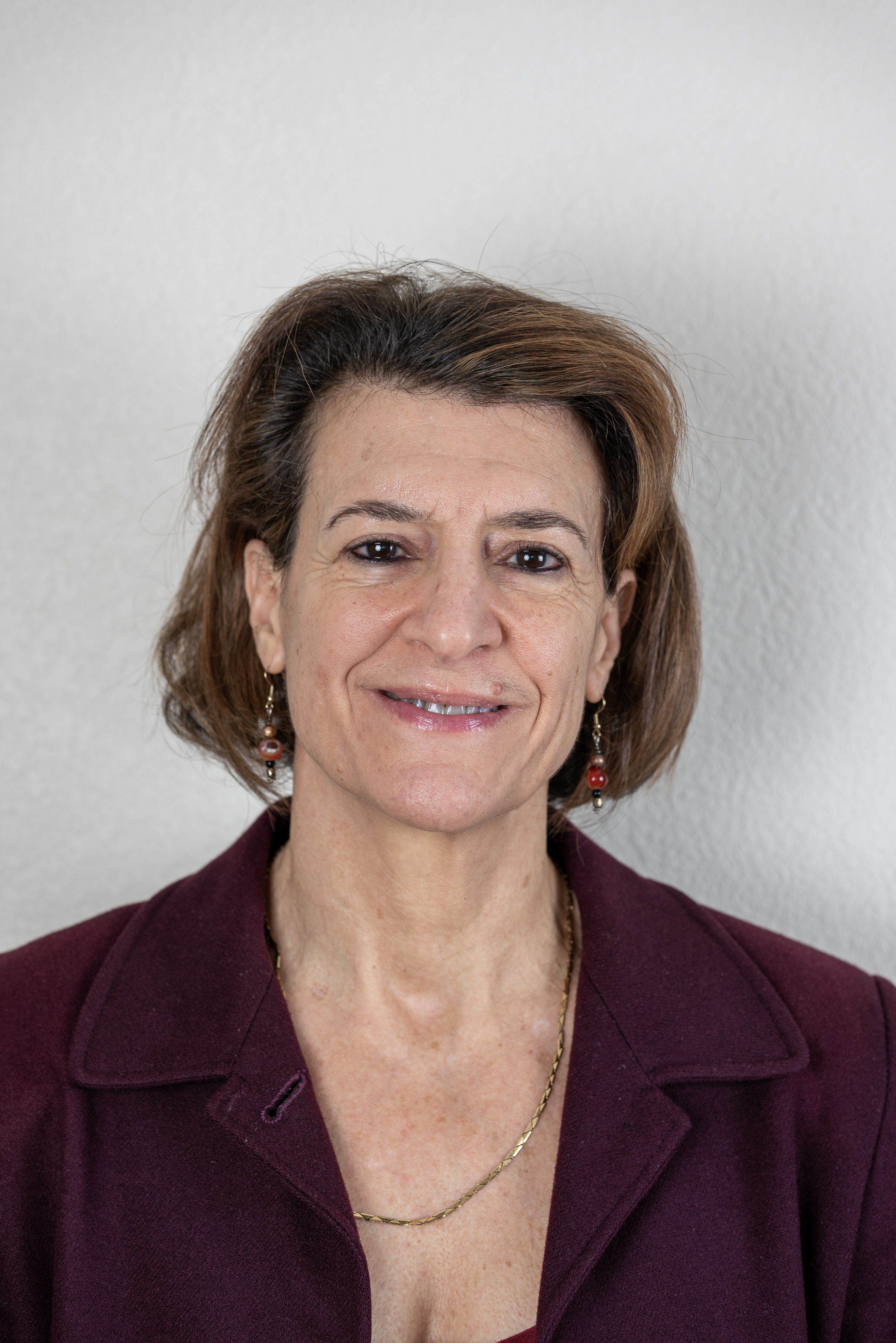
Meet Dr. Lorene Petta
For over a decade, Dr. Petta worked extensively with elite Special Forces and Special Tactics communities at Fort Bragg, North Carolina supporting some of the most highly trained individuals operating under extreme cognitive, emotional, and physiological demands. Her work focused on optimizing brain performance, improving stress resilience, accelerating recovery, and restoring nervous system balance in high-stakes environments where precision and reliability are non-negotiable.
Whether your student athlete is dealing with persistent post-concussion symptoms or you want expert guidance on safe recovery and return-to-play planning, we’re here to help. Learn more about how our center supports concussion and TBI care on the Traumatic Brain Injury Counseling page.