
How to Know If You Are a Good Fit for Neurofeedback
Neurofeedback is a powerful, non-invasive form of Biofeedback that teaches the brain to regulate its own activity. At Arizona Center for Neurofeedback, we help individuals achieve greater focus, calm, and stability by targeting the root causes of neurological dysregulation. However, as with any specialized treatment, prospective clients often ask how to know if you’re a good fit for Neurofeedback?
The answer begins not just with a list of symptoms, but with an understanding of what Neurofeedback actually treats and the necessary commitment to the process.
What Makes a Candidate Ideal for Neurofeedback?
An ideal candidate for Neurofeedback is someone experiencing symptoms stemming from brain dysregulation that hasn’t responded fully to traditional treatments like medication or talk therapy. Neurofeedback is backed by growing evidence as a complementary and alternative treatment (as detailed in articles like Neurofeedback: An Emerging Mental Health Therapy) and is highly effective for a wide range of conditions.
Good candidates typically seek relief from issues such as:
- Attention-Deficit/Hyperactivity Disorder (ADHD)
- Chronic anxiety and panic attacks
- Insomnia and other sleep disturbances
- Symptoms related to brain injury (Traumatic Brain Injury)
If you are struggling with daily function due to these issues and are looking for a drug-free way to promote lasting brain change, you are likely a good clinical fit.
The foundational principle here is that we aren’t masking symptoms; we are training the brain and approaching the root problem. This training approach makes Neurofeedback particularly suitable for those who value long-term self-regulation over temporary fixes.
The Essential First Step: QEEG Brain Mapping
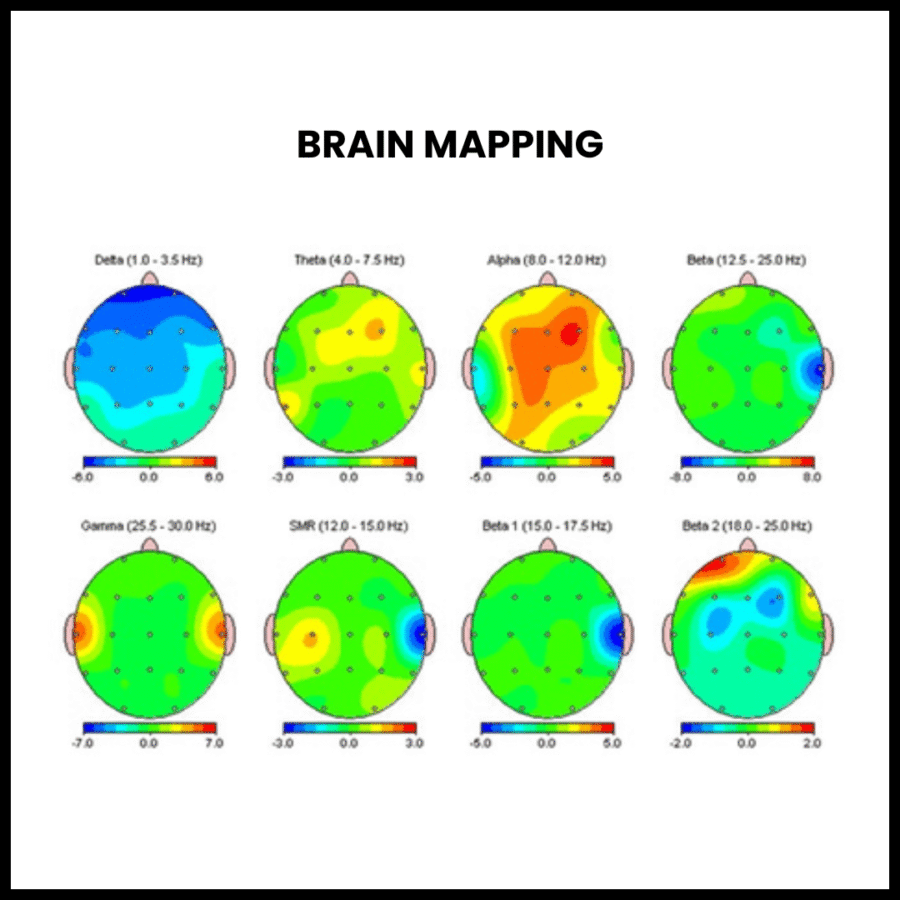
The definitive answer to how to know if you’re a good fit for Neurofeedback always comes down to the initial assessment. At Arizona Center for Neurofeedback, we utilize the Quantitative Electroencephalogram (QEEG) Brain Map.
This sophisticated mapping process measures your brain’s electrical activity and compares it to a normative database. It creates a detailed, color-coded map that highlights areas of excessive or deficient brain wave activity, allowing us to see the exact dysregulation underlying your symptoms.
The QEEG transforms your subjective experience into objective data. If your brain map shows clear patterns of dysregulation (for instance, excessive slow-wave activity associated with ADHD or generalized anxiety), then you are a strong candidate, as we have a specific, measurable target for training.
Determining Your Personal Path to Brain Health
Beyond the clinical and neurological indicators, the final key factor in determining how to know if you’re a good fit for Neurofeedback is your personal readiness. Neurofeedback is a process that relies on consistency, like learning a new language or musical instrument. A good fit is someone who is:
Committed
Willing to attend sessions regularly, typically twice a week, to ensure the brain receives the consistent reinforcement necessary to create new, healthy patterns.
Patient
Recognizing that lasting neurological change takes time. While some clients notice subtle improvements early on, the full course of treatment requires patience and dedication.
Openness
Ready to embrace a new approach to wellness that focuses on brain plasticity and self-regulation.
If you are prepared to commit the time and effort necessary to unlock your brain’s potential, we encourage you to take the next step.
Taking the Next Step with Neurofeedback
The first step toward lasting change is scheduling your initial consultation with our team. Fill out the form below to get started on the path to optimal brain health. Our team will get back to you with next steps.