
Neurofeedback for Insomnia: Naturally Enhancing Sleep Quality
If you’ve ever spent the night tossing and turning, you know how frustrating insomnia can be. For many people, the problem isn’t just physical, it’s neurological. Your brain may be “stuck” in a pattern of alertness that makes true rest nearly impossible. While medications can mask the problem, Neurofeedback for insomnia offers a natural way to help the brain learn how to sleep again.If you’ve ever spent the night tossing and turning, you know how frustrating insomnia can be.
What Is Neurofeedback?
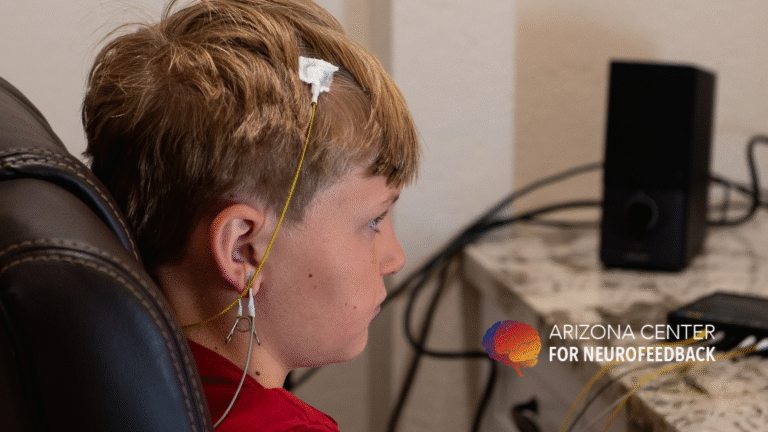
Neurofeedback, sometimes called EEG Biofeedback, is a non-invasive brain training method that helps regulate brainwave activity. Sensors placed on the scalp measure real-time electrical patterns in your brain, and specialized software provides instant feedback, often through visual or auditory cues. When your brain produces calm, balanced waves, the feedback rewards the brain. Over time, this teaches your brain to sustain those relaxed states on its own, which can lead to more consistent and restorative sleep.
How Neurofeedback Targets Insomnia
Insomnia often stems from an overactive brain that won’t “power down.” Neurofeedback directly addresses this by helping the nervous system shift out of high-alert modes, such as excessive Beta activity (usually linked to worry and anxiety), into slower, restorative Alpha and Theta patterns. By training these sleep-friendly brainwaves, Neurofeedback can reduce nighttime wakefulness, racing thoughts, and difficulty falling asleep. The goal isn’t sedation, it’s self-regulation and deep, restorative sleep.
What Research Says
While Neurofeedback for insomnia is still being studied, early results are promising. Clinical research has shown improvements in total sleep time, reduced sleep latency (the time it takes to fall asleep), and fewer nighttime awakenings. Some studies also report better mood and daytime energy after consistent sessions. Although results vary by individual, Neurofeedback appears especially helpful for people whose sleep issues are tied to stress, trauma, or chronic overarousal. Our clients’ testimonials speak to real world results you can expect from this noninvasive, powerful technology.
The Experience of a Neurofeedback Session
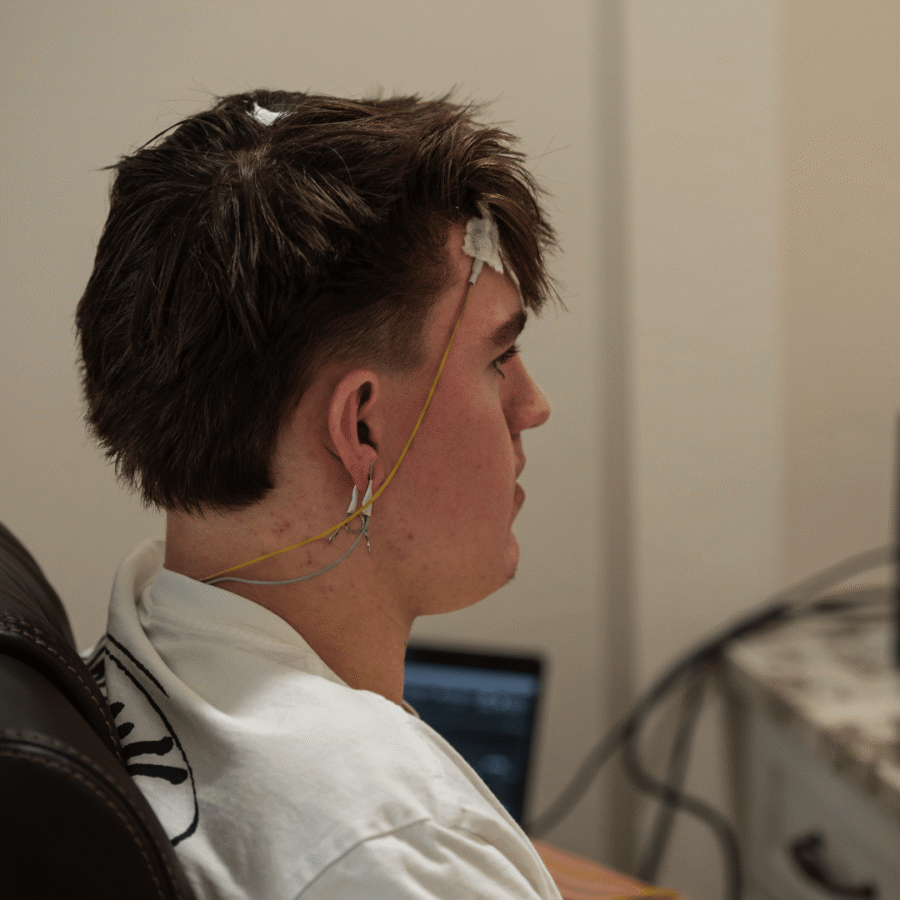
A typical Neurofeedback session lasts about 45 to 60 minutes. It is completely painless. Most people, even children, experience it as pleasant sensations as the brain is learning what feels right. You might watch a movie or listen to music.
When your brain activity moves toward the desired calmer, more balanced patterns, the system provides positive reinforcement. Gradually, the brain “learns” what good sleep feels like and becomes more capable of achieving it naturally.
Combining Neurofeedback with Lifestyle Changes
While Neurofeedback can be powerful on its own, pairing it with good sleep hygiene and the mental performance strategies we teach in our program enhances results. Creating a consistent bedtime routine, avoiding screens before bed, and practicing relaxation techniques like low and slow breathing or mindfulness can support the brain’s new learning. Mental skills strategies like Attention Control, Effective Thinking and Imagery provide additional training tools that teach the brain what to do for better sleep. Think of Neurofeedback and Mental Skills Training as a powerful combination of rewiring the sleep circuitry while skills training and improved lifestyle habits keep those circuits strong.
Is Neurofeedback Right for You?
Neurofeedback is considered safe for most people and doesn’t involve drugs or side effects. However, it’s not a one-size-fits-all solution. Some people notice changes after just a few sessions, while others may need several weeks to see lasting improvements. Working with a qualified practitioner experienced in sleep-related protocols is key to achieving the best outcome. At the Arizona Center for Neurofeedback, all of our practitioners are licensed and/or certified in their respective areas of expertise.
The Bottom Line
If you’ve tried everything from herbal teas to sleep apps without success, Neurofeedback is likely the missing piece for you or a loved one. Instead of forcing sleep through medication, it teaches your brain how to rest naturally, something no pill can do. With growing research and real-world success stories, Neurofeedback is emerging as one of the most promising natural therapies for insomnia. Restful nights could be closer than you think, starting from within your own brain.