Quick Facts About Neurofeedback and How It Can Help You: Arizona Center For Neurofeedback
If you’ve heard the term neurofeedback but aren’t quite sure what it means, you’re not alone. Words like brainwaves, EEG, and brain training can make neurofeedback sound complicated, but the basic idea is easier to understand than you might think.
Neurofeedback uses information about your brain’s activity to provide real-time feedback. Through repeated training, the goal is to help your brain develop better regulation of its activity. From how the technology works to what you can expect during a session, here are some quick facts to help you better understand neurofeedback.
Quick Fact #1: Neurofeedback Is a Form of Brain Training
Neurofeedback therapy, sometimes called neurotherapy or EEG biofeedback, is a non-invasive form of training that uses real-time information about the brain’s electrical activity. Your brain is constantly producing electrical activity. During neurofeedback, that activity is measured using electroencephalography, better known as EEG. The information is then used to provide feedback through visual or auditory cues.
Over repeated training sessions, the goal is to help an individual learn to better regulate patterns of brain activity. One way to think about neurofeedback is similar to physical training. Strengthening your body requires practice and repetition over time. Neurofeedback applies a similar training concept to patterns of brain activity.
Quick Fact #2: Neurofeedback Uses Real-Time Feedback
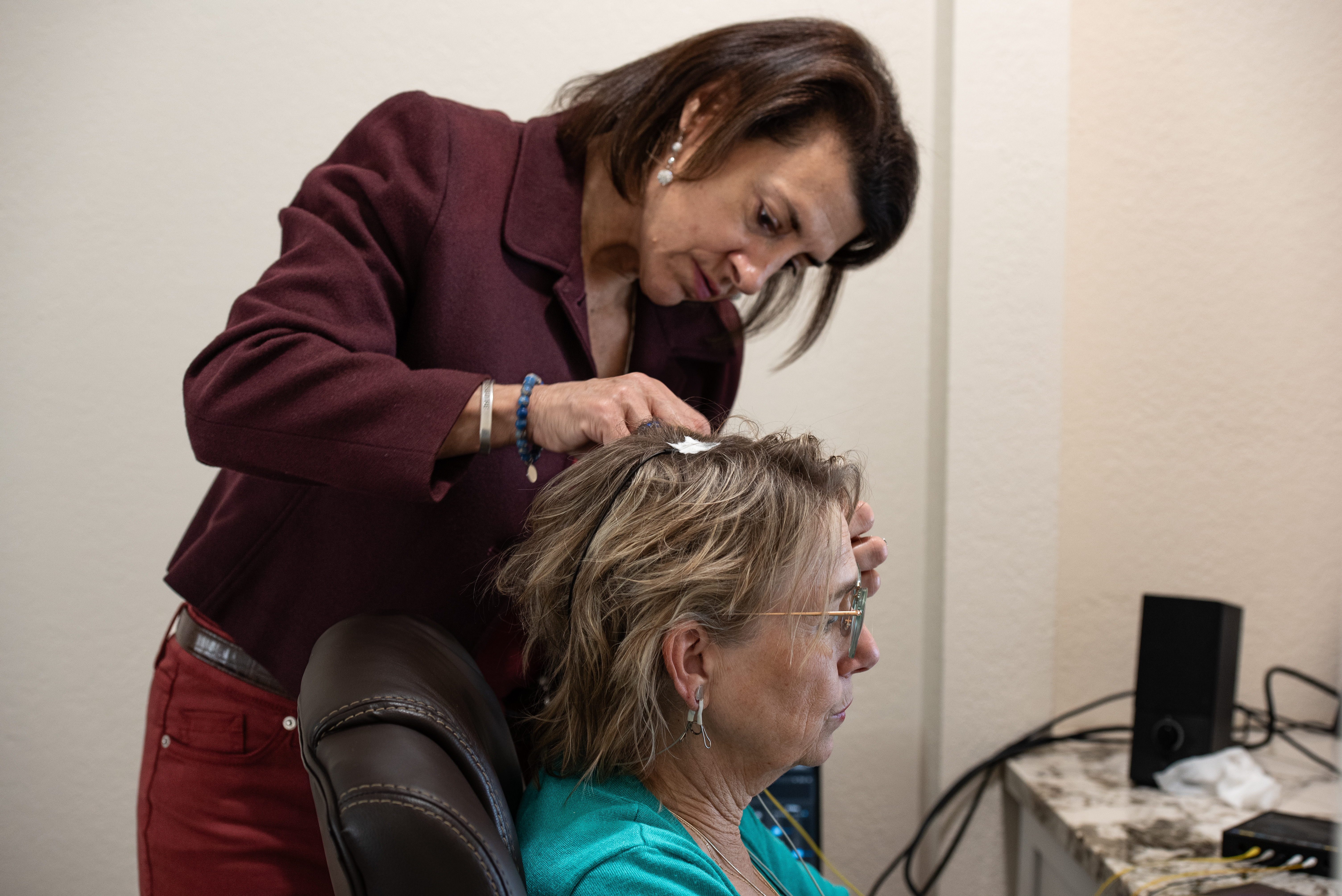
During neurofeedback training, small sensors are placed on the scalp to measure brainwave activity. That information is sent to specialized software, which provides feedback through something the client can see or hear, such as a movie, image, or music.
As the client’s brain activity changes, the video or sound responds in real time. For example, a picture may become clearer or a sound may change. This gives the brain immediate feedback about its activity and, through repeated training, supports the goal of developing better regulation. The training process can also be informed by information gathered through QEEG brain mapping, which provides a more detailed look at patterns of brain activity.
While the technology behind neurofeedback is complex, the process for the client is designed to be straightforward: brain activity is measured, the system responds, and the brain receives feedback in real time.
Quick Fact #3: The Sensors Measure Brain Activity
Seeing sensors attached to someone’s head can make neurofeedback look a little intimidating at first. However, an important distinction is that the sensors are there to measure electrical activity produced by the brain.
The EEG sensors placed on the scalp measure brainwave activity so the neurofeedback system can process that information and provide feedback. The sensors record activity rather than deliver electrical stimulation to the brain. This means the sensors are essentially listening to the electrical activity that is already happening in the brain so the neurofeedback system can use that information during training.
Quick Fact #4: Neurofeedback Training Is Personalized
Our brains aren’t identical, and neurofeedback training doesn’t have to look exactly the same for everyone. At Arizona Center for Neurofeedback, information about an individual’s brain activity can help inform their training. Depending on the results and training protocol, neurofeedback may be completed with the eyes open or closed.
Because each person comes in with different needs and goals, determining whether neurofeedback is a good fit for you is an individualized process. This individualized approach allows training to be shaped around the person rather than relying on the exact same experience for every client.
Quick Fact #5: Neurofeedback Sessions Are Simple for the Client
Although there is sophisticated technology working behind the scenes, the client’s part of a neurofeedback session can be surprisingly simple.
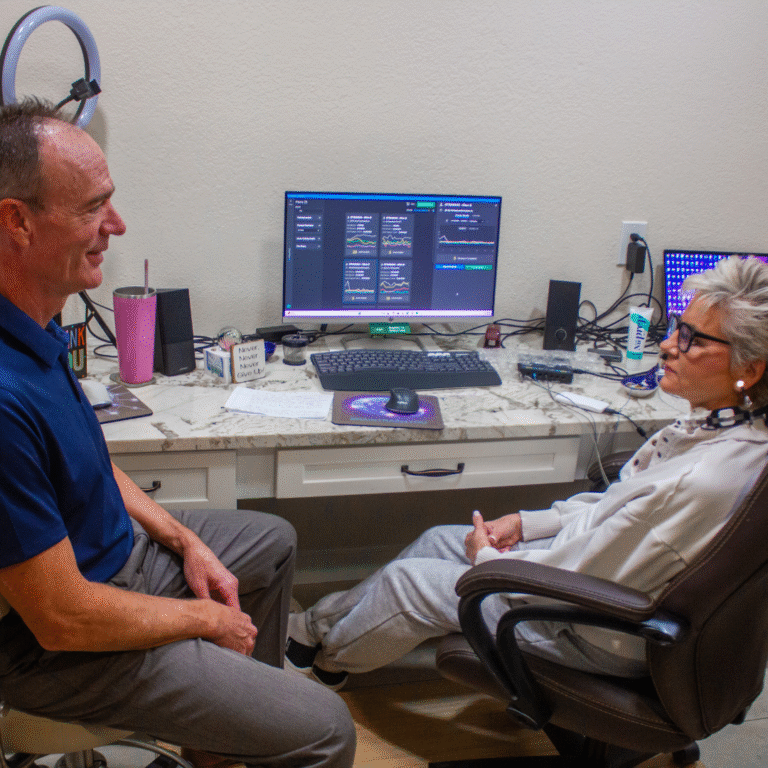
At Arizona Center for Neurofeedback, sessions are typically around 50 minutes. Small sensors are attached to the scalp to measure brainwave activity, while ACFN’s NewMind amplifiers and software process that information.
Depending on the individual’s training protocol, they may relax while watching a movie or show, or close their eyes and listen to music. The system provides visual or auditory feedback in real time based on the brain activity being measured. While the technology does the monitoring and responding behind the scenes, the client can sit back and focus on the training experience.
Quick Fact #6: Neurofeedback Can Support Different Goals
People explore neurofeedback for many different reasons, and the goals of training can vary from person to person.
Neurofeedback has been studied in connection with areas such as attention and self-regulation, along with a variety of cognitive, emotional, behavioral, and performance-related goals. ACFN works with clients across a range of treatment areas based on their individual needs.
Research findings and the strength of evidence for neurofeedback vary depending on the specific condition or outcome being studied, and individual results can vary. This is one reason neurofeedback shouldn’t be viewed as a one-size-fits-all solution. Understanding someone’s needs, goals, and circumstances is an important part of determining whether neurofeedback may be appropriate.
Quick Fact #7: Neurofeedback Isn’t Only About Addressing a Problem
Neurofeedback isn’t only discussed in the context of symptoms or mental wellness. Brain and body regulation can also be relevant for people interested in cognitive and performance-related goals.
Athletes and other high performers, for example, may be interested in understanding how factors such as focus, stress, and self-regulation relate to performance. ACFN also offers sport psychology and peak performance services for individuals interested in the mental side of performance. This is one example of how the goals that bring someone to ACFN can look different from person to person.
Frequently Asked Questions About Neurofeedback
Does Neurofeedback Hurt?
Neurofeedback is a non-invasive approach. Sensors placed on the scalp measure electrical brain activity so the system can provide feedback; they do not deliver electrical stimulation to the brain.
How Long and How Often Is Neurofeedback Training?
At Arizona Center for Neurofeedback, a typical neurofeedback session lasts approximately 50 minutes, and clients usually attend training two to three times per week. However, an individual’s recommended training plan may vary depending on their needs and goals.
How Do I Know if Neurofeedback Is Right for Me?
Everyone’s needs and goals are different. Learning about the process is a great starting point, but determining if you’re a good fit for neurofeedback should take your individual circumstances into account.
Is Neurofeedback Right for You?
Neurofeedback may sound complex at first, but understanding the basics can make the process much easier to picture. It uses EEG technology to measure brain activity, provides feedback in real time, and uses repeated training with the goal of helping individuals develop greater regulation of brain activity.
Whether neurofeedback is appropriate for you depends on your individual needs and goals. If you’re interested in learning more about neurofeedback or how the process works at Arizona Center for Neurofeedback, contact our team to explore your options and determine an appropriate next step.