What Is Neuroplasticity and Why Is It Important?
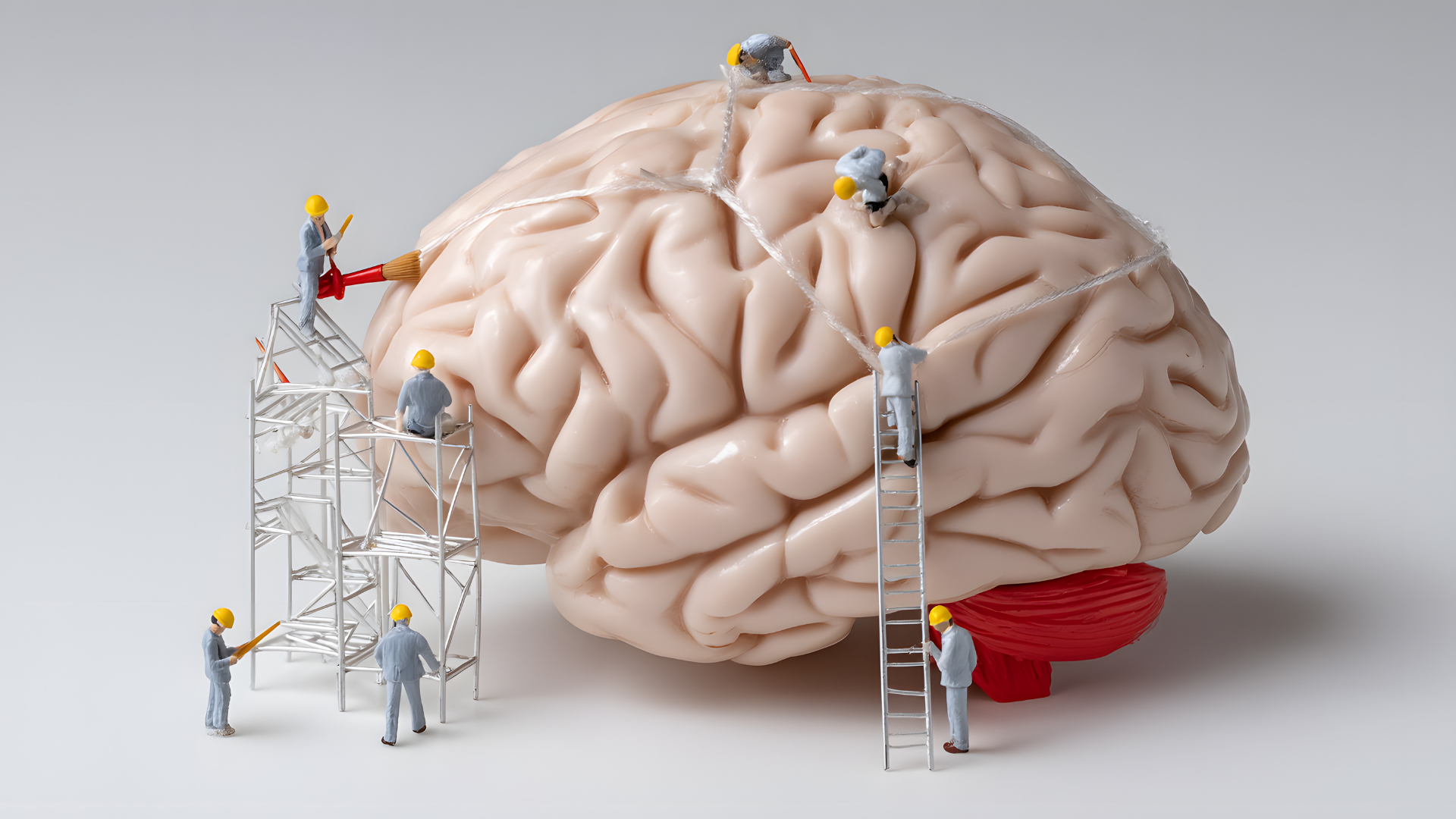
At Arizona Center for Neurofeedback, we understand that when you feel overwhelmed, your brain often gets “stuck” in patterns associated with heightened anxiety. This typically involves an increased amount of faster brainwaves (like High Beta) in certain areas, keeping your nervous system in a So what is neuroplasticity and why is it important? Neuroplasticity is your brain’s amazing ability to change, adapt, and grow throughout your life. It allows your brain to rewire itself in response to new experiences, learning, or recovery from challenges. In simple terms, neuroplasticity is how your brain learns to work better for you.
For many years, people believed the brain stopped developing after childhood. Today, science shows that’s far from true. Your brain remains active and flexible, constantly forming new connections between neurons. Every time you learn a new skill, focus your attention, or shift a habit, you’re shaping your brain through neuroplasticity.
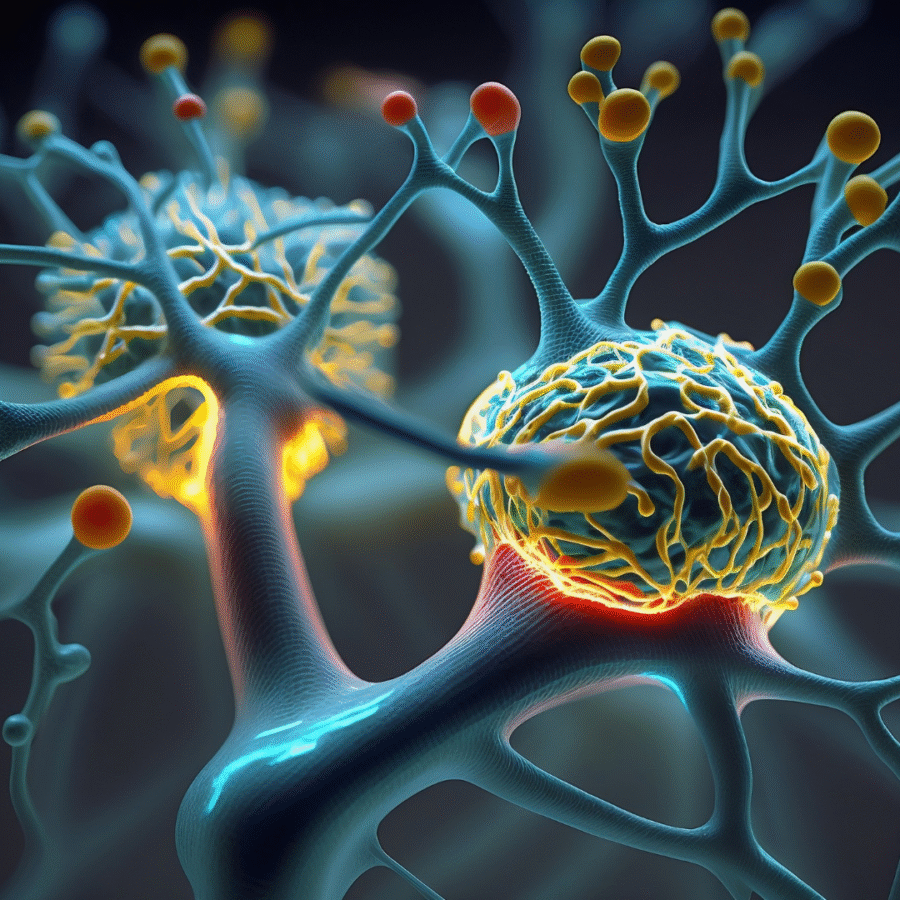
This constant adaptability makes neuroplasticity one of the most powerful forces for change in human health and performance. When you practice something repeatedly, such as staying calm, focusing under pressure, or managing stress, your brain strengthens the pathways that support those abilities. Over time, those new patterns become automatic, replacing older, less helpful ones.
But not all changes are positive. Stress, trauma, and repetitive negative thinking can also shape your brain in unhelpful ways. These patterns may cause anxiety, poor sleep, or difficulty focusing. The encouraging truth is that with the right feedback and training, your brain can learn new, healthier ways to respond and this is exactly where Neurofeedback plays a key role.
How Neurofeedback Supports Neuroplasticity
Neurofeedback is a non-invasive way to help your brain take advantage of neuroplasticity. It uses sensors to measure your brain’s electrical activity (EEG) and provides real-time feedback through visual or auditory cues. When your brain receives this feedback, it learns to recognize more efficient patterns and reduce those linked with stress or imbalance.
This process doesn’t force your brain to change, it gently guides it to do what it naturally does best: self-correct. Over time, Neurofeedback strengthens the neural pathways that support calm, focus, and stability. Because these shifts come from your own brain’s learning process, they tend to be both natural and lasting.
The Power of Training Your Brain
You can think of Neurofeedback as exercise for your brain’s flexibility. Just as physical training builds muscle memory, Neurofeedback builds “mental memory” for optimal brain performance. Each session helps reinforce your brain’s ability to recover quickly, stay clear under stress, and perform more consistently.
As your brain learns, you may notice improvements in concentration, emotional regulation, sleep, and overall mental clarity. These changes come from within, your brain is literally rewiring itself through neuroplasticity. This makes Neurofeedback an empowering, drug-free approach for improving focus, mood, and performance at any age.
Why Neuroplasticity Matters for Everyone
Understanding what neuroplasticity is helps explain why growth and recovery are always possible. Whether you’re an athlete fine-tuning performance, a student improving attention, or an adult reducing stress, your brain has the ability to change. When supported through feedback, mindfulness, and consistent practice, neuroplasticity helps you create lasting improvements in both mind and body.
At the Arizona Center for Neurofeedback, we specialize in helping clients harness the power of neuroplasticity through Neurofeedback, Biofeedback, and Mental Skills training. Our approach teaches your brain how to regulate itself more effectively, so you can think clearer, feel calmer, and perform at your best. Neuroplasticity is your built-in pathway to a stronger, more balanced life and we’re here to help you activate it.
Every new thought and experience shapes who you become. By training your brain to build healthier connections, you’re not just changing how you feel today, you’re creating the foundation for long-term growth and resilience. Neuroplasticity proves it’s never too late for your brain to change, adapt, and thrive.