
What is QEEG Brain Mapping? The First Step to Personalized Neurofeedback
When considering Neurofeedback training to address issues like anxiety, ADHD, or chronic stress, the first and most crucial question is: “What exactly are we training?” The answer lies in a diagnostic tool known as Quantitative Electroencephalography, or QEEG Brain Mapping. At Arizona Center for Neurofeedback, we consider QEEG the foundational blueprint for all effective brain training.
Understanding what is QEEG Brain Mapping is key to appreciating the individualized, scientific approach we take to brain health. It moves Neurofeedback far beyond a generic protocol and tailors the treatment to the unique patterns of your brain.
QEEG: Turning Brain Waves into a Diagnostic Map
Quantitative Electroencephalography (QEEG) is a technique that takes raw EEG data, the measurement of electrical activity on the scalp, and applies advanced mathematical and statistical analysis to it.
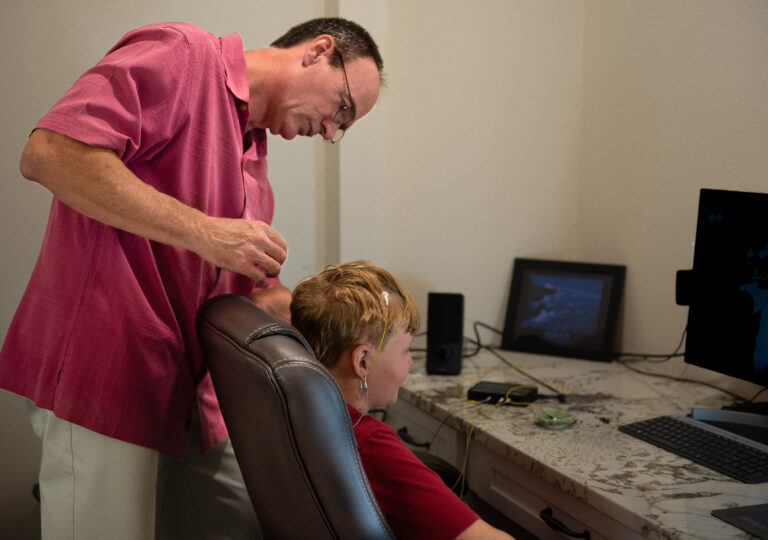
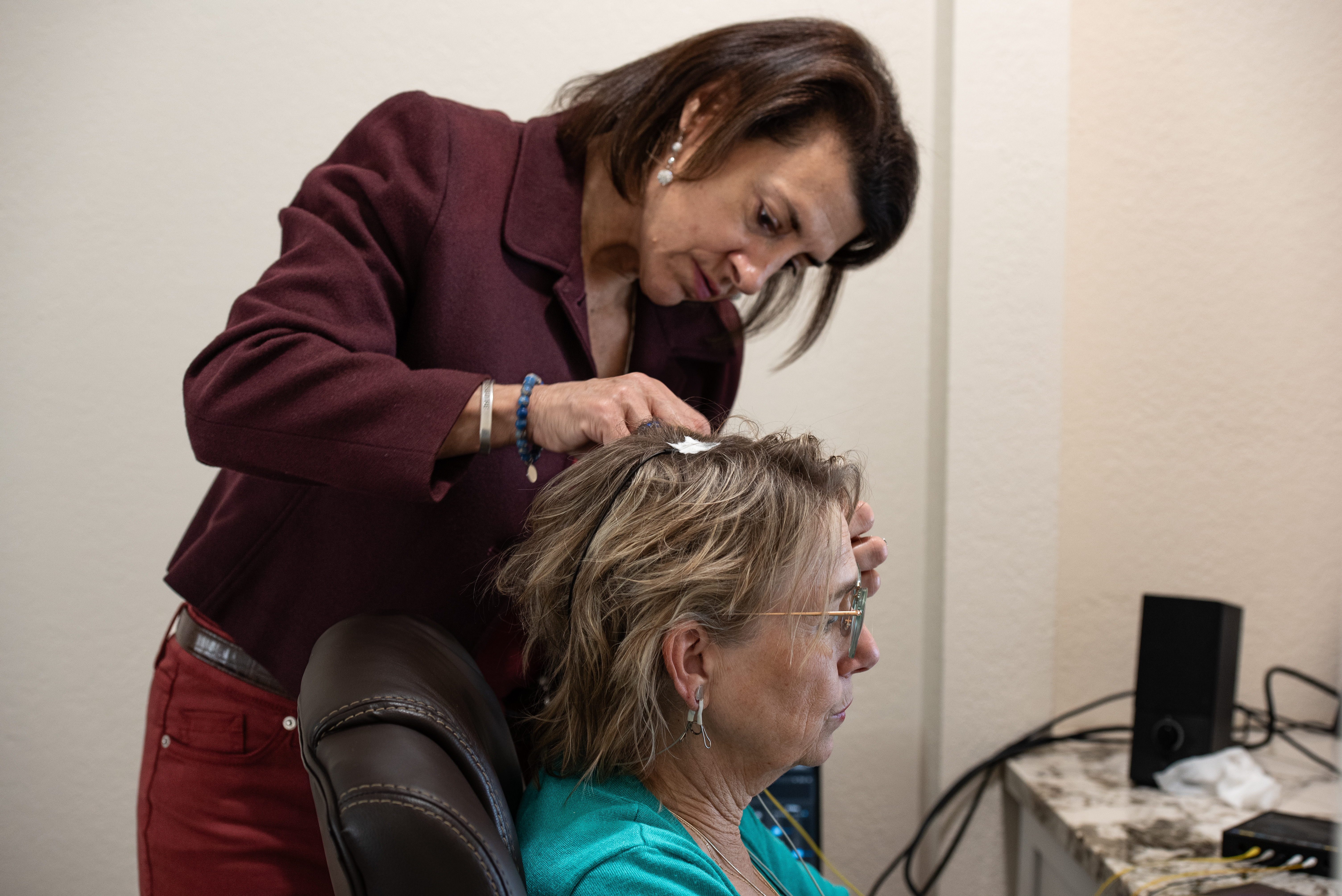
The process of QEEG Brain Mapping involves recording your brain waves (Delta, Theta, Alpha, and Beta bands) in a relaxed state. The data is then processed and compared against a vast “normative database” that represents healthy brain activity for individuals in your age group.
The Power of Comparison: Z-Scores
This comparison yields Z-scores, which indicate how far your brain’s activity deviates from the healthy average. Another way to understand Z-scores is in terms of a similar concept known as standard deviations from the norm. Anyone who has studied statistics or mathematics may be more familiar with this term.
A positive Z-score suggests an excess of activity in a certain area or frequency (e.g., too much high Beta, often linked to anxiety and insomnia).
A negative Z-score suggests a deficit (e.g., not enough SMR/Beta, often linked to attentional issues).
As noted by industry experts, comparing an individual’s QEEG to a normative database is a valuable tool in clinical practice, helping to identify dysregulations related to various conditions, including ADHD and depression.
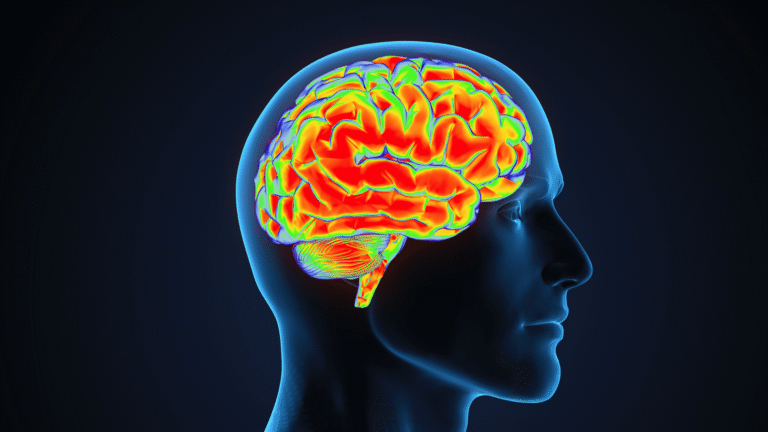
The result is a detailed, color-coded topographic map of your brain, which highlights the exact regions and frequencies that are over- or under-performing.
Why QEEG is Essential for Effective Neurofeedback
Neurofeedback based only on a symptom checklist leads to generalized training that may or may not target the real problem. Arizona Center for Neurofeedback uses QEEG Brain Mapping to ensure Neurofeedback training is precise, data-driven and evidence-based.
Without a QEEG, a clinician is essentially guessing. With it, we gain critical insight into the neurological basis of your symptoms.
An example of QEEG Brain Mapping:
Two individuals may both report “difficulty focusing,” but one may have excessive frontal Theta waves (a common ADHD signature pattern), while the other may have too much Beta waves, contributing to an overaroused brain that simply cannot focus for sustained periods of time.
The QEEG allows us to target these distinct neurological problems accurately, leading to faster, more sustainable results. This personalized approach is crucial to high-quality Neurofeedback care.
The QEEG provides the objective measurements needed to tailor the training, monitor progress, and modify protocols to ensure the brain is learning effectively. It is the gold standard for defining Neurofeedback protocols and one of the ways we are able to successfully treat a wide range of conditions we treat.
Using Brain Mapping for Traumatic Brain Injury
Brain mapping can be used on an individual to allow us to see functional brain issues that an MRI might miss.
Ready to Map Your Path to Optimal Wellness?
The path to optimized brain health begins with objective information. If you’re tired of treating symptoms and are ready to understand and resolve the root cause of your challenges, the QEEG Brain Map is your first step.