What to Expect at Your First Appointment at Arizona Center for Neurofeedback
Starting Neurofeedback therapy can feel both exciting and a little overwhelming if you’ve never experienced it before. At the Arizona Center for Neurofeedback in Scottsdale, AZ, the focus is on helping clients understand and engage in their treatment from day one, with a personalized, evidence-based approach to brain and body regulation.
Preparing for Your First Visit
Before your appointment, you’ll want to gather any questions about your goals and concerns. Our team at Arizona Center for Neurofeedback offers a range of services, from Neurofeedback Therapy to Biofeedback and even Sport Psychology.
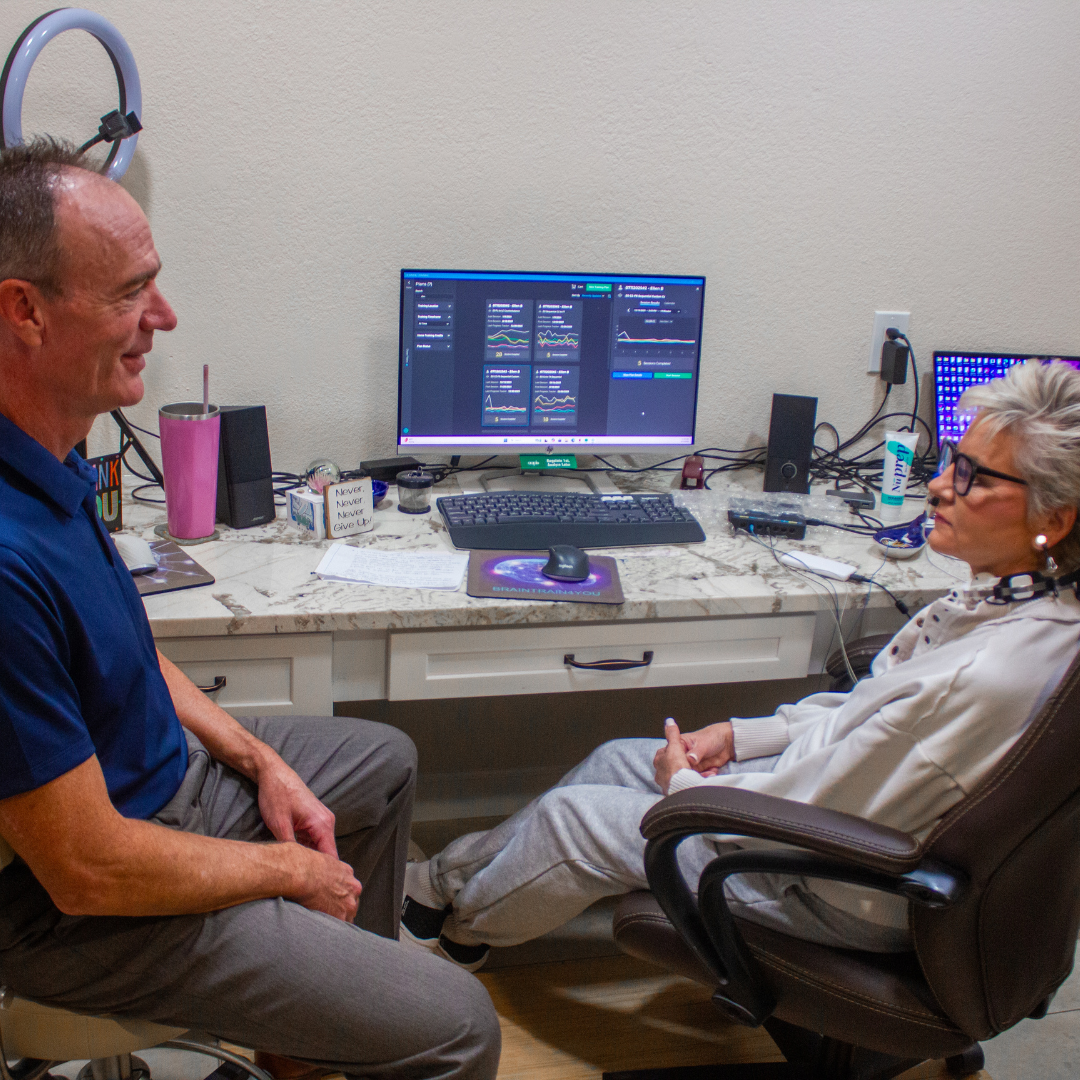
Your first visit begins with a consultation and assessment. This initial meeting lets our team get to know you, review your mental health history, and discuss what you hope to achieve through our sessions.
This step is crucial, as it ensures your sessions are customized to your specific brain function, stress patterns, and life goals. Then throughout your program, we will continue discussing with you those areas that are important to your success, such as your sleep, stress, concentration, or mood symptoms.
Once your clinician understands your needs and goals, they may discuss the tools and therapies that will best support your journey. For example, Neurofeedback uses sensors to monitor brainwave activity in real time, helping you learn to self-regulate your neural patterns. This is a non-invasive, drug-free way to improve focus, emotional regulation, and more.
What Happens During the Session
Depending on your individualized plan, your first Neurofeedback session may include the following:
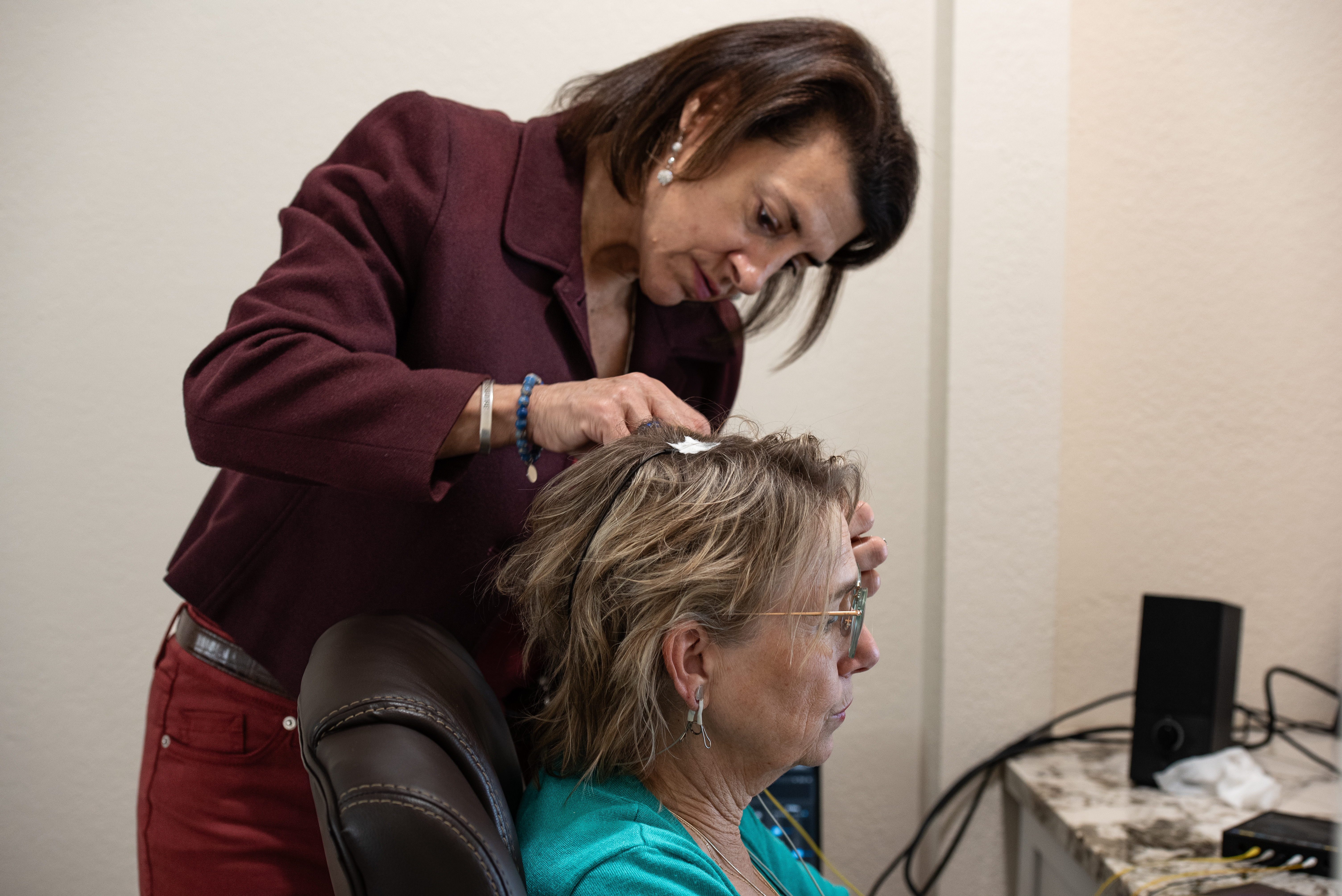
Electrode Placement
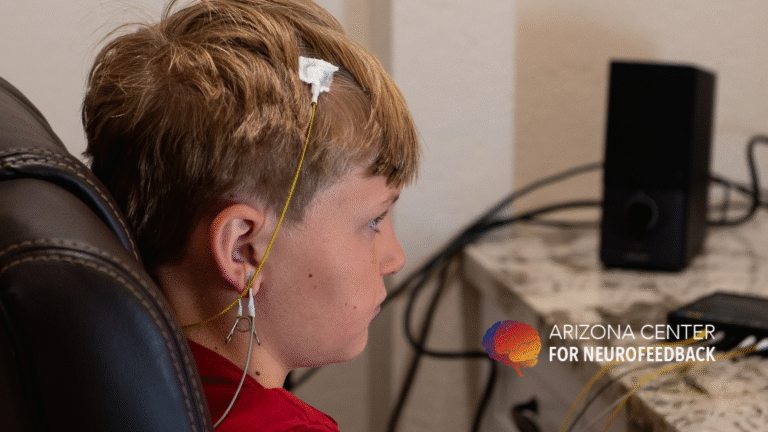
Small, painless sensors are placed on your scalp to measure brainwave activity. These sensors feed data to specialized software.
Real-Time Feedback
You might watch a video, play a game, or listen to sounds while the system provides feedback based on your brainwave activity. Depending on the training you are doing, you may see changes in the brightness or dimming of the video, or changes in the volume of the sounds.This feedback helps your brain slowly learn healthier patterns.
Biofeedback Options
If you’re starting with Biofeedback instead, sensors may be placed on parts of your body, such as your hands or earlobe, to monitor your body’s physical responses including heart rate, muscle tension, breathing, or skin temperature. A clinician guides you through exercises while you observe how your body responds.
Each session is designed to be comfortable, engaging, and informative, with trained professionals guiding you every step of the way. If you want a deeper look at what happens in a Biofeedback session, read our latest blog, “What Happens in a Biofeedback Session?”.
After the Session
After your first Neurofeedback appointment, our team will review what was observed and discuss any next steps, including how often to schedule follow-up sessions and what outcomes you can anticipate. Many clients begin to see changes in focus, stress management, or sleep within several sessions, though ongoing training is generally recommended to reinforce long-term improvements.
Why Choose Arizona Center for Neurofeedback?
Choosing the right Center matters. At the Arizona Center for Neurofeedback you are supported by licensed professionals like Dr. Lorene Petta, a board-certified psychologist with decades of experience in Neurofeedback, Biofeedback, and brain health & optimization.
The Center combines compassionate care with advanced brain training techniques to address conditions like ADHD, anxiety, PTSD, insomnia, peak performance and more all with a personalized, holistic approach.
Ready to Take the First Step?
If you’re curious whether Neurofeedback, or any of our other services are right for you or a loved one, the first visit is your opportunity to get clear, expert guidance. Begin your journey by scheduling a complimentary consultation with our team.