Where Does Your Body Hold Stress? ACFN Explains the Physical Signs of Stress
Think about the end of a long, demanding day. Maybe you noticed your shoulders creeping up toward your ears, a tight jaw, or a breath you didn’t realize you had been holding. Stress often leaves physical clues like these, and they can show up well before you consciously label what you are feeling as stress.
Because these reactions happen automatically, they are easy to miss. Over time, certain patterns can even start to feel normal. Learning where stress tends to show up in your own body can be an important first step toward understanding and managing your response to it.
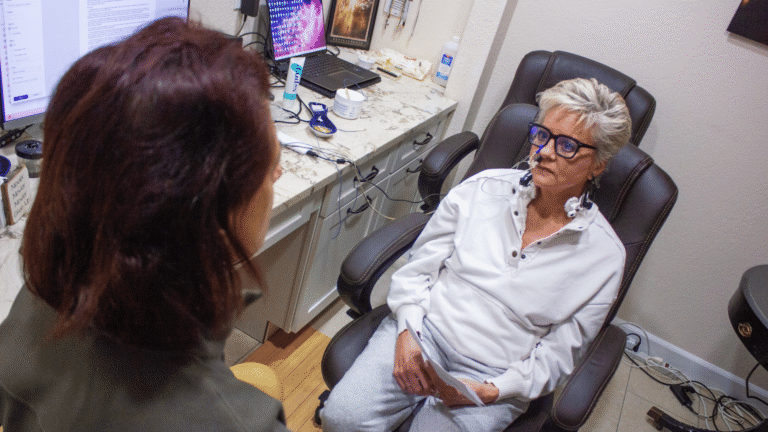
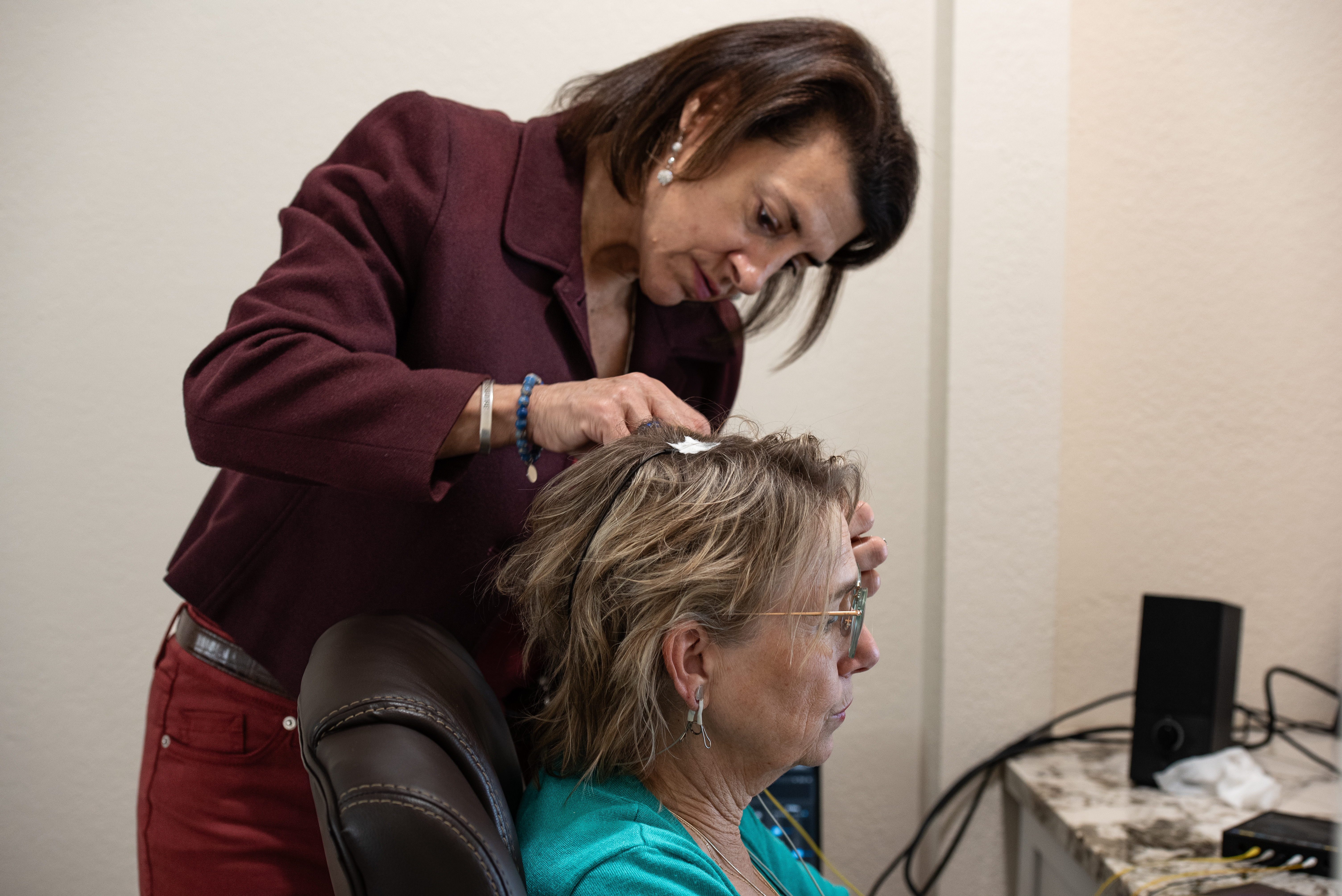
At the Arizona Center for Neurofeedback, Biofeedback is one way we help make some of these normally unconscious responses easier to see and understand.
Where Can Stress Show Up in the Body?
There is no single place where everyone holds stress. Here are some of the most common areas people notice:
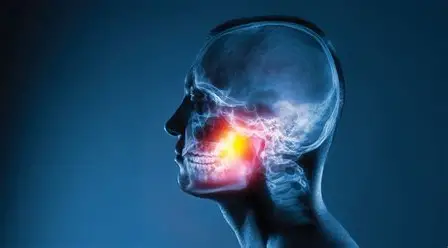
Jaw, neck, and shoulders. Many people carry tension here without realizing it. You might catch yourself clenching your teeth while concentrating, or notice stiffness in your neck after hours at a desk.
Breathing. Under pressure, breathing often becomes faster, shallower, or higher in the chest. Some people notice they hold their breath during focused or stressful moments.
Heart. A faster or pounding heartbeat before a presentation, a hard conversation, or a competition is one of the most familiar signs of stress activation.
Hands and skin. Cold fingers, sweaty palms, or clenched fists can all be part of the body’s stress response, even when your mind feels relatively calm.
After the moment passes. For some people, the most noticeable sign is not the reaction itself but how long it lasts. Even when the pressure is over, your muscles may stay tight or you may still feel physically “on edge.”
These responses are part of the nervous system’s natural way of preparing you to meet a challenge. That activation can be helpful in the moment, but it is just as important for the body to be able to settle afterward.
ACFN’s Biofeedback Therapy in Scottsdale can help make these physical responses easier to observe by showing what your body is doing in real time.
Why You May Not Notice Your Stress Response
One of the interesting things about stress is that you may not always realize how strongly your body is reacting.
You might feel mentally fine while your shoulders are tight or your breathing has sped up. Someone else might notice cold or sweaty hands before an important meeting without connecting that reaction to stress at all.
When those reactions happen often, they become easy to overlook. That is why building awareness of your body’s patterns can be so useful. Instead of waiting until stress feels overwhelming, you may start to catch the earlier physical signs that your body is becoming activated.
This is also where Biofeedback can add another layer of information, making processes that normally happen in the background easier to recognize.
LINK: “Biofeedback” → ACFN Biofeedback service page.
A Quick Body Check You Can Try
You don’t need any equipment to start paying attention to your stress signals. A few times during the day, pause and ask yourself:
- Are my teeth touching, or is my jaw tight?
- Are my shoulders relaxed, or lifted toward my ears?
- Am I breathing slowly and low into my belly, or quickly and high in my chest?
- Are my hands cold, clammy, or clenched?
You aren’t trying to fix anything during this check. You’re just noticing. Over time, you may find that your body tends to show stress in one or two places more than others, and that is useful information.
From Noticing to Measuring
A body check helps you build awareness on your own. Biofeedback takes that a step further by measuring your body’s responses directly, so you can see which systems react most strongly and how quickly they recover. To learn more about how that works, read our article on how Biofeedback helps with stress regulation.
To see what a visit looks like from start to finish, read what happens during a Biofeedback session.
Your Body Is Giving You Information
Having a physical reaction to stress does not mean something is wrong. Your body is simply giving you information. Whether it shows up as a tight jaw, a racing heart, or shoulders that won’t drop, each signal tells you something about how you respond to pressure.
The sooner you can recognize those signals, the more choice you have in how you respond to them.
Interested in learning more about your own stress response? Explore Biofeedback at ACFN or contact our team to learn more about the services available at Arizona Center for Neurofeedback.