
How Neurofeedback May Support Children Who Become Easily Overwhelmed
A crowded birthday party, an unexpected change in plans, or a classroom full of competing sounds may seem like ordinary parts of childhood. For some children, however, these situations can quickly become difficult to manage.
A child who was excited about an activity may suddenly want to leave. Another might become quiet, frustrated, or emotional when too much is happening at once. For parents, these reactions can be confusing, especially when the cause isn’t immediately clear.
While occasional frustration is a normal part of childhood, frequent overwhelm may be worth exploring more closely. Understanding what contributes to these experiences can help families recognize their child’s needs and find appropriate ways to provide support.
Why Do Some Children Become Overwhelmed More Easily?
Children can become overwhelmed when the demands of a situation exceed what they feel able to manage at that moment. These demands may involve sensory stimulation, strong emotions, or unexpected changes.
For example, a child who struggles in a busy restaurant may be responding to the noise and movement around them. Another might become upset when an unexpected change interrupts a familiar routine.
Although these reactions may look similar, the reasons behind them can be very different. Recognizing those differences is an important first step toward understanding what a child may need.
Understanding Different Types of Overwhelm
Overwhelm can appear in several ways, and children may experience more than one type at a time.
Sensory Overload: Bright lights, loud noises, crowded environments, or certain textures may become uncomfortable or difficult for some children to process.
Emotional Overload: Strong feelings such as disappointment, excitement, anxiety, or frustration can sometimes become difficult to manage.
Difficulty With Transitions: Moving between activities or adjusting to unexpected changes may create distress, especially for children who rely on familiar routines.
These experiences do not automatically indicate a particular diagnosis. Children with autism, for example, may have particular sensory preferences or support needs, but every child’s experience is different. Families interested in learning more can explore our article, Exploring Neurofeedback for Children with Autism: What Families Should Know.
Recognizing Patterns Rather Than Just Reactions
When a child becomes overwhelmed, it’s natural to focus on their immediate response. However, understanding what happened before and after the moment can provide valuable insight.
Parents may find it helpful to consider three things:
- Before: What was happening just before the child became overwhelmed? Was the environment loud, unfamiliar, or unpredictable?
- During: How did the child respond? Did they withdraw, become restless, cry, or struggle to communicate?
- After: What helped them feel more comfortable? Did they benefit from quiet time, reassurance, movement, or a change in environment?
For example, if a child consistently becomes overwhelmed in crowded places, families might try preparing them ahead of time, allowing short breaks, or identifying a quieter space.
Small adjustments may help children feel more comfortable while giving parents a better understanding of their individual needs.
Where Neurofeedback May Fit Into the Picture
Because overwhelm can involve difficulties with attention, emotional regulation, or adapting to different environments, some families become interested in approaches that focus on self-regulation, including Neurofeedback.
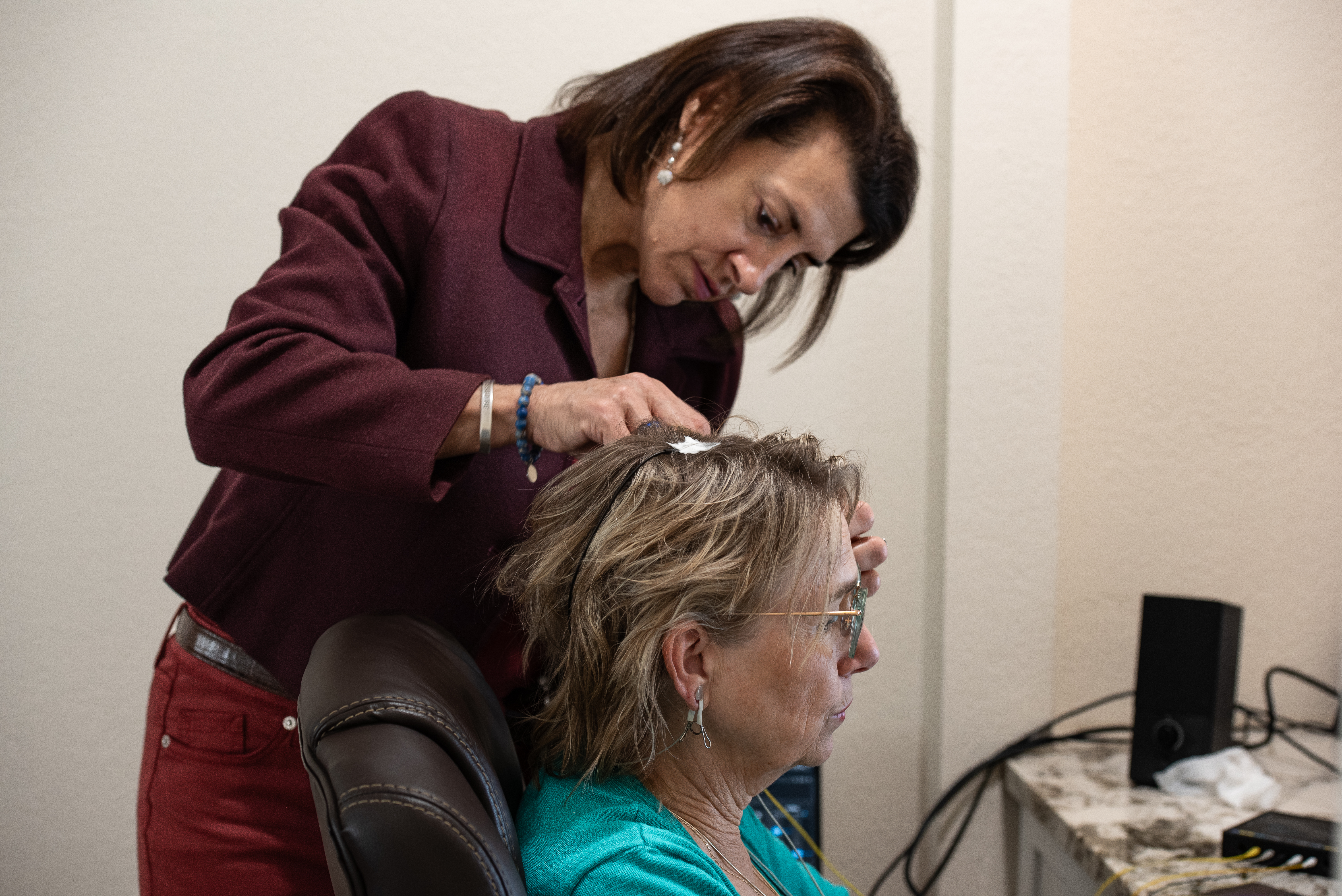
Neurofeedback is a noninvasive form of brain training that uses sensors to monitor brain activity. During a session, this information is translated into real-time feedback through a computer-based activity, such as a video or game.
The process provides opportunities to practice responding to feedback about brain activity. The sensors record electrical signals rather than delivering electrical stimulation.
Researchers have explored Neurofeedback for certain challenges involving attention and emotional regulation. However, evidence for its effectiveness in addressing childhood sensory overload or frequent emotional overwhelm remains limited and mixed.
Neurofeedback is not an established treatment specifically for sensory overload or emotional overwhelm in children. Families should approach it with realistic expectations and appropriate professional guidance.
Parents who want to understand the process in more detail can explore how Neurofeedback sessions work at Arizona Center for Neurofeedback.
Why an Individualized Approach Matters
Two children may respond to the same situation in similar ways but have entirely different needs.
One child may struggle with sensory sensitivities, while another may experience anxiety, attention-related difficulties, or challenges expressing what they need.
Before exploring an intervention, families may benefit from discussing their child’s experiences, developmental history, and current support needs with a qualified healthcare professional.
Depending on the situation, appropriate support may include environmental adjustments, occupational therapy, psychological services, or other individualized approaches. Neurofeedback may be another option to discuss, but it should not replace established services or a comprehensive evaluation when needed.
At ACFN, Dr. Petta’s clinical psychology services emphasize understanding individual concerns and developing care plans around personal goals.
Supporting Families in Scottsdale, Arizona
At Arizona Center for Neurofeedback (ACFN), we recognize that every child’s experiences and needs are different. Our team works with families to discuss individual concerns, identify goals, and explore available services.
When a child frequently becomes overwhelmed, recognizing the patterns behind those experiences can be an important first step toward finding appropriate support.
If you’re interested in learning more about Neurofeedback or discussing your child’s needs, our Scottsdale team is available to answer questions and help you explore your options.Interested in learning more? Contact Arizona Center for Neurofeedback to explore your options and connect with our team.