How Neurofeedback May Support Self-Regulation in Individuals with Autism
Self-regulation involves more than managing emotions. It includes how we direct attention, respond to internal signals, and adapt to the demands of everyday life. For individuals with autism, these processes can vary significantly depending on personal strengths, sensory preferences, and individual needs.
Brain activity plays an important role in attention and self-regulation. Neurofeedback is an EEG-based brain-training approach that uses real-time information about brain activity to provide feedback during training.
But how does this process work, and what should individuals and families know about its potential role in self-regulation?
Understanding the Connection Between Brain Activity and Self-Regulation
Self-regulation involves multiple processes working together, including attention, emotional awareness, and responses to sensory information.
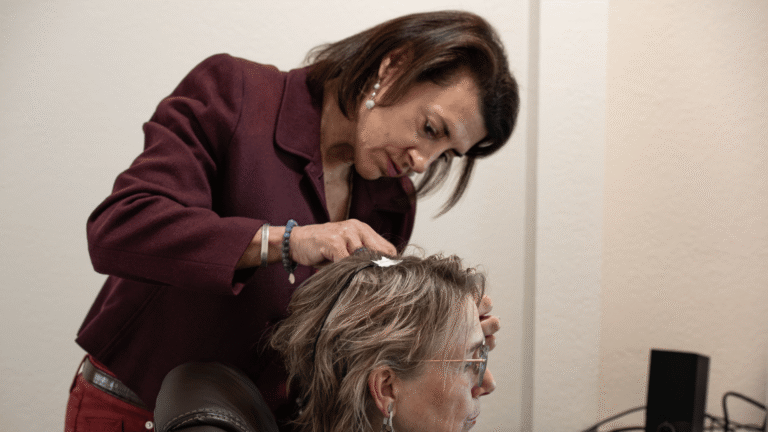
Neurofeedback uses sensors placed on the scalp to measure electrical activity in the brain. During a session, specialized software translates aspects of this activity into real-time feedback, often through a video or computer-based activity.
This process gives individuals opportunities to practice modifying certain patterns of brain activity through feedback-based training.
Neurofeedback has been studied in several areas involving attention and self-regulation. Its application for individuals with autism is also represented in the research literature, although findings about specific benefits vary and further high-quality evidence is needed.
For individuals and families who are new to Neurofeedback, understanding the process is an important first step. Our previous article, Exploring Neurofeedback for Children with Autism: What Families Should Know, provides additional information about what families may want to consider.
Watch: Neurofeedback and Self-Regulation in Autism
How does Neurofeedback work, and what role may it play in supporting self-regulation for individuals with autism?
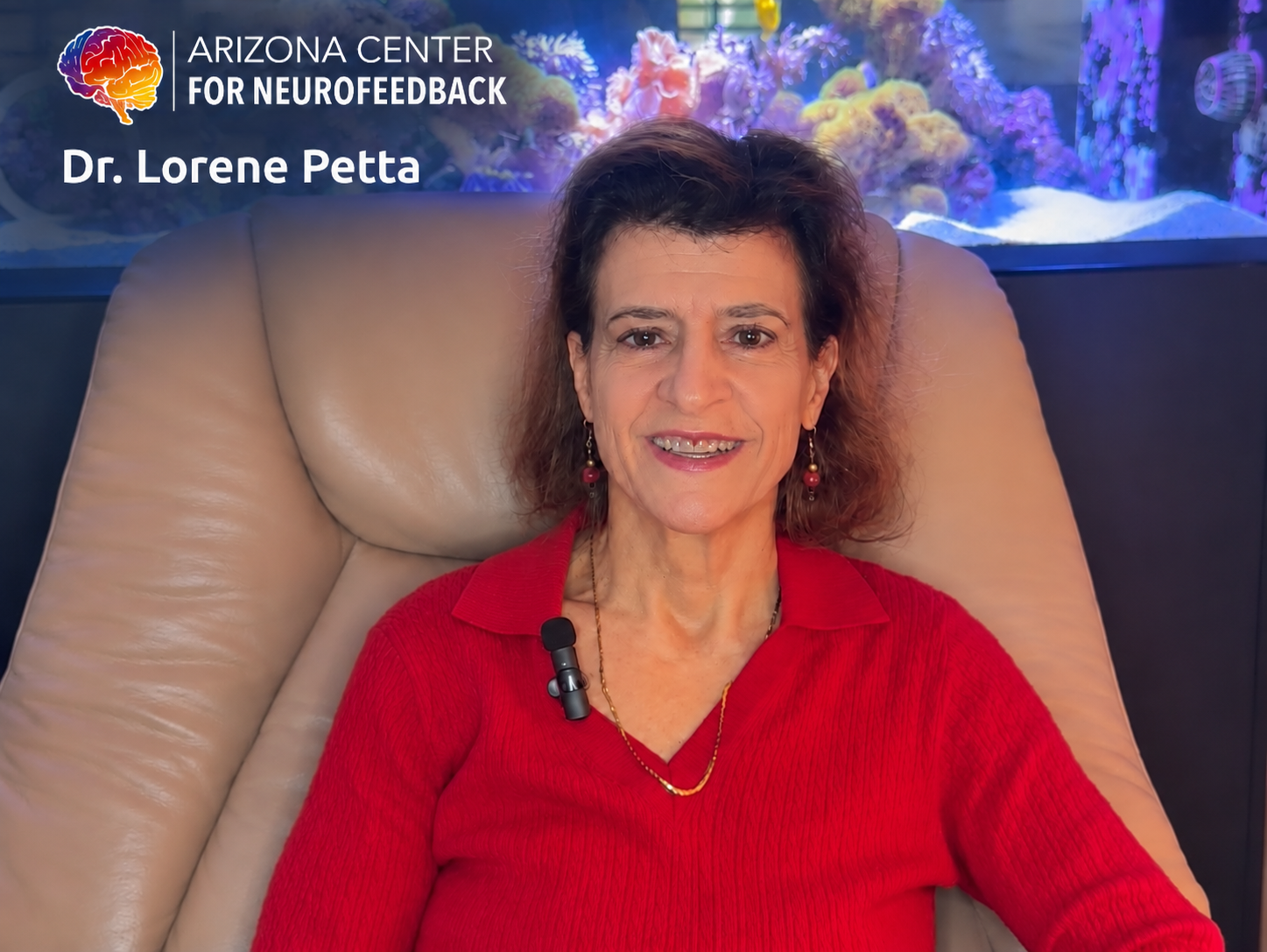
In this Q&A, Dr. Lorene Petta, founder and clinical director of Arizona Center for Neurofeedback, answers common questions about Neurofeedback, explains its connection to brain activity and self-regulation, and shares important insights for individuals with autism and their families.
Official Arizona Center For Neurofeedback YouTube
What Does Research Tell Us?
Neurofeedback has been studied for several decades, with researchers examining its applications across a range of neurological and psychological concerns.
Studies involving individuals with autism have explored outcomes related to attention, cognitive functioning, and aspects of self-regulation. Some have reported positive findings, although results differ across studies.
Differences in training protocols, study sizes, and outcome measures make it difficult to draw firm conclusions about effectiveness specifically for autism. Neurofeedback is not currently established as a treatment for autism itself.
Understanding the available evidence helps individuals and families make informed decisions about whether Neurofeedback may be an appropriate complementary approach.
Exploring Neurofeedback in Scottsdale, Arizona
At Arizona Center for Neurofeedback, our team recognizes that every individual’s needs, experiences, and goals are different.
We work with individuals and families to discuss their concerns, explain the Neurofeedback process, and explore how training may fit alongside other appropriate supports. Our team also offers clinical psychology services, providing additional opportunities for individualized care based on each person’s goals.
If you’re interested in learning more about Neurofeedback and self-regulation, contact our Scottsdale team to discuss your questions and available options.act our team to learn more about the services available at Arizona Center for Neurofeedback.