
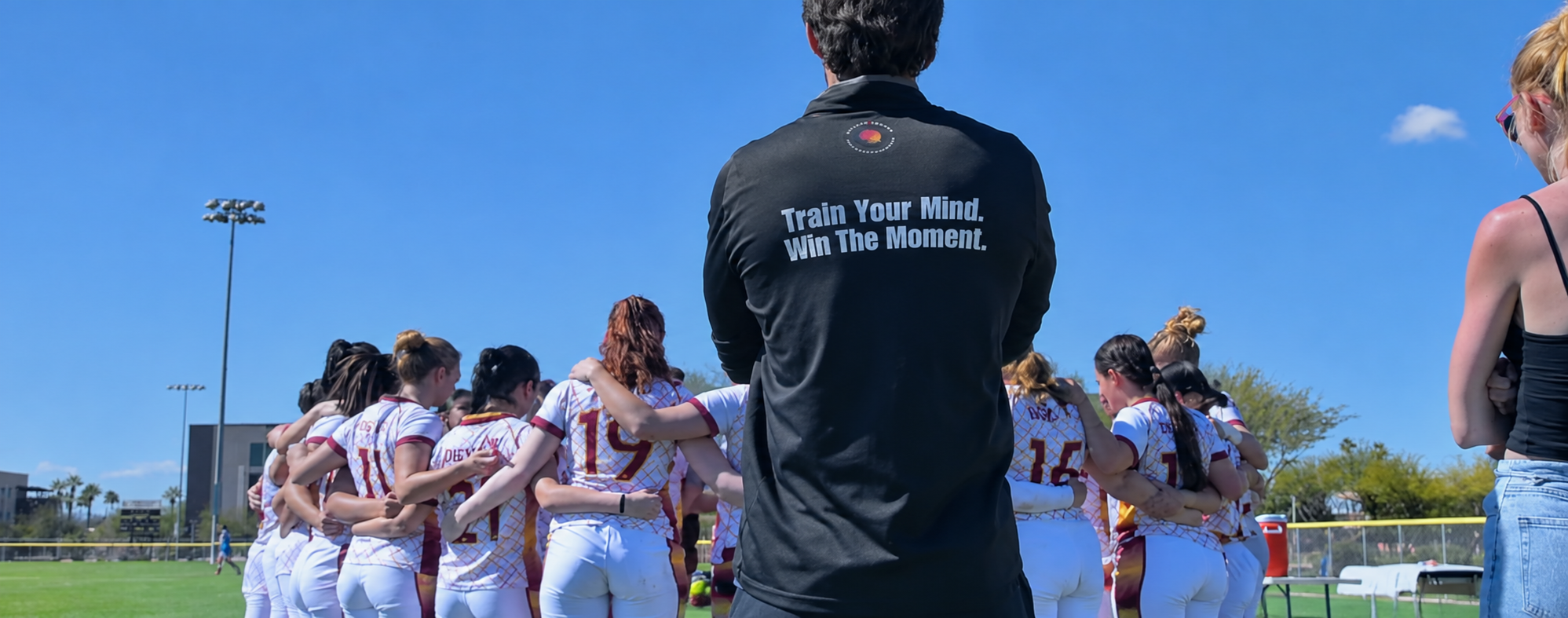
How Biofeedback Can Help Athletes Perform Under Pressure
You can practice a skill hundreds of times and still feel different when the pressure is real. Maybe your heart starts racing before competition. Your breathing changes. Your muscles tighten. A movement that usually feels automatic suddenly takes more effort. That does not always mean you forgot what to do. Pressure can change the state your body is in, and that can affect how you perform.
At the Arizona Center for Neurofeedback, Biofeedback and performance-focused training can help athletes better understand what happens in their body during pressure and practice skills that support more consistent performance.
How Pressure Can Change Performance
Competition naturally creates activation. That can be helpful. Athletes often need energy, focus, and intensity to perform well. The challenge comes when activation becomes harder to manage. An athlete may start rushing, overthinking, tightening their muscles, or losing focus after a mistake. Someone else may feel physically tense before an event or struggle to settle between plays, routines, or attempts.
These reactions can affect timing, decision-making, confidence, and consistency. The goal is not always to become completely calm. Instead, athletes can work on recognizing when their level of activation is helping performance and when it may be getting in the way.
ACFN’s Mental Performance Coaching in Scottsdale focuses on skills such as confidence, attention, stress management, resilience, and performance routines.
Using Biofeedback as a Training Tool
Biofeedback gives athletes a way to observe parts of their physical response while they practice. Depending on the training, Biofeedback may provide information about breathing, heart rate, heart rate variability, muscle tension, skin temperature, or skin conductance.
For an athlete, this can turn an abstract instruction like “stay composed” into something more concrete. For example, an athlete may practice slower breathing while watching how their physiological data changes. They may also notice how muscle tension shifts when they move from a more activated state toward a steadier one.
The goal is not to chase a perfect number. The value comes from learning what different performance states feel like and practicing how to respond when pressure begins to rise.
Practicing Before the Pressure Is Real
One of the best times to work on performance regulation is before competition. Athletes regularly practice physical skills so those movements feel familiar when the stakes are higher. Regulation skills can be approached in a similar way.
Breathing, attention control, pre-performance routines, and recovery after mistakes can all be practiced during training. Over time, those strategies may become easier to access when an athlete needs them most.
This is also where Biofeedback can complement Sport Psychology and mental performance training. Athletes can work on both the physical and mental sides of competition rather than treating them as completely separate.
A Quick Pre-Performance Check-In
Before a practice, game, race, or performance, take a few seconds to check in with yourself.
How am I breathing?
Does it feel steady, or am I breathing quickly?
Where am I holding tension?
Check your jaw, shoulders, hands, and other areas that tend to tighten under pressure.
Where is my attention?
Am I focused on the next task, or thinking about the last mistake or final outcome?
Do I feel rushed or ready?
Noticing your current state can help you decide whether you need to settle, refocus, or simply continue.
This quick check is not about judging how you feel. It is about becoming more intentional before performance begins.
Building More Consistent Performance
Pressure is part of sports. The goal is not to eliminate it. Instead, athletes can learn more about how they respond when the pressure rises and practice strategies that help them stay connected to the skills they have already trained.
At ACFN, Biofeedback can be combined with performance training for athletes to support greater awareness, focus, regulation, and consistency.
Pressure can change performance, but it can also become something athletes learn to manage more intentionally. Explore ACFN’s performance services to see how Biofeedback, Sport Psychology, and individualized training can support athletes when the stakes are high.